A square footage calculator for homes can be a useful tool for homeowners who want a better understanding of their property’s size. Whether you are planning to sell your home, refinance, challenge property records, or prepare for an appraisal, accurate square footage information plays an important role in real estate decisions.
Many homeowners rely on county records or previous listings when estimating property size. However, those records are not always accurate. Understanding how square footage is calculated can help you verify information and make more informed decisions about your property.
What Is a Square Footage Calculator for Homes?
A square footage calculator for homes is a method used to estimate the size of a property by measuring individual areas and combining them into a total square footage figure.
While online calculators can provide estimates, the accuracy of the result depends entirely on the measurements entered into the calculator.
For simple floor plans, calculating square footage may be straightforward. For larger or more complex homes, professional measurement services often provide the most reliable results.
Why Square Footage Matters
The size of a home affects many aspects of a real estate transaction.
Accurate measurements can help:
- Support property valuation
- Improve listing accuracy
- Assist with appraisals
- Verify public records
- Increase buyer confidence
- Support refinancing decisions
Because square footage is one of the first details buyers review, accurate information is essential.
How a Square Footage Calculator for Homes Works
Most calculators follow a simple process.
Measure Each Section
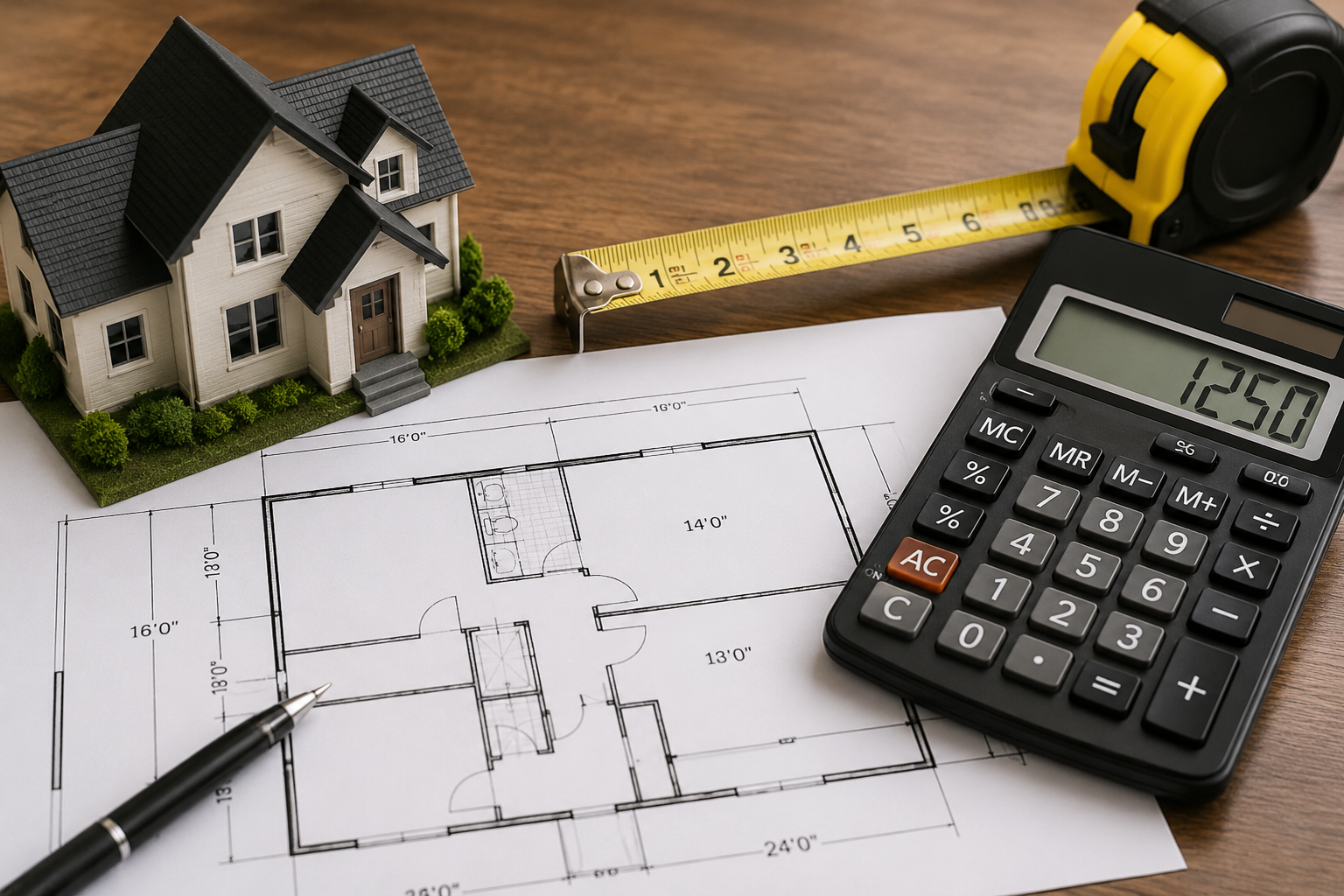
Start by measuring the length and width of each room or section of the home.
Calculate Individual Areas
Multiply length by width to determine the square footage of each section.
For example:
- 20 feet × 15 feet = 300 square feet
- 12 feet × 10 feet = 120 square feet
Add the Totals Together
Combine the measurements from all qualifying living spaces.
The result provides an estimate of the property’s overall living area.
What Areas Typically Count Toward Living Space?
When calculating residential square footage, only certain areas generally qualify as living space.
Common examples include:
- Bedrooms
- Living rooms
- Kitchens
- Dining rooms
- Family rooms
- Finished hallways
- Finished stairways
These spaces are commonly included in Gross Living Area calculations.
Areas Often Excluded From Calculations
Many homeowners mistakenly include spaces that are usually measured separately.
Examples may include:
- Garages
- Unfinished basements
- Unfinished attics
- Carports
- Storage rooms
- Open patios
- Decks
- Detached buildings
Although these areas may add utility and appeal, they are often excluded from primary living area calculations.
Common Mistakes When Calculating Square Footage
Even with a square footage calculator for homes, mistakes can occur if measurements are not taken correctly.
Common errors include:
Including Non Living Areas
Garages and unfinished spaces are often counted incorrectly.
Using Inaccurate Measurements
Small errors can create significant discrepancies in the final total.
Ignoring Irregular Floor Plans
Complex layouts require multiple measurements and calculations.
Relying Solely on Public Records
Property records may contain outdated or incorrect information.
Understanding these mistakes can help homeowners achieve more accurate results.
Understanding Gross Living Area
Gross Living Area, often referred to as GLA, is one of the most important measurements used in residential real estate.
GLA generally includes finished above grade living space suitable for year round occupancy.
Because appraisers frequently rely on Gross Living Area when comparing homes, accurate calculations are essential.
This is one reason many homeowners choose professional measurement services rather than relying exclusively on online tools.
Why Professional Measurements Are More Reliable
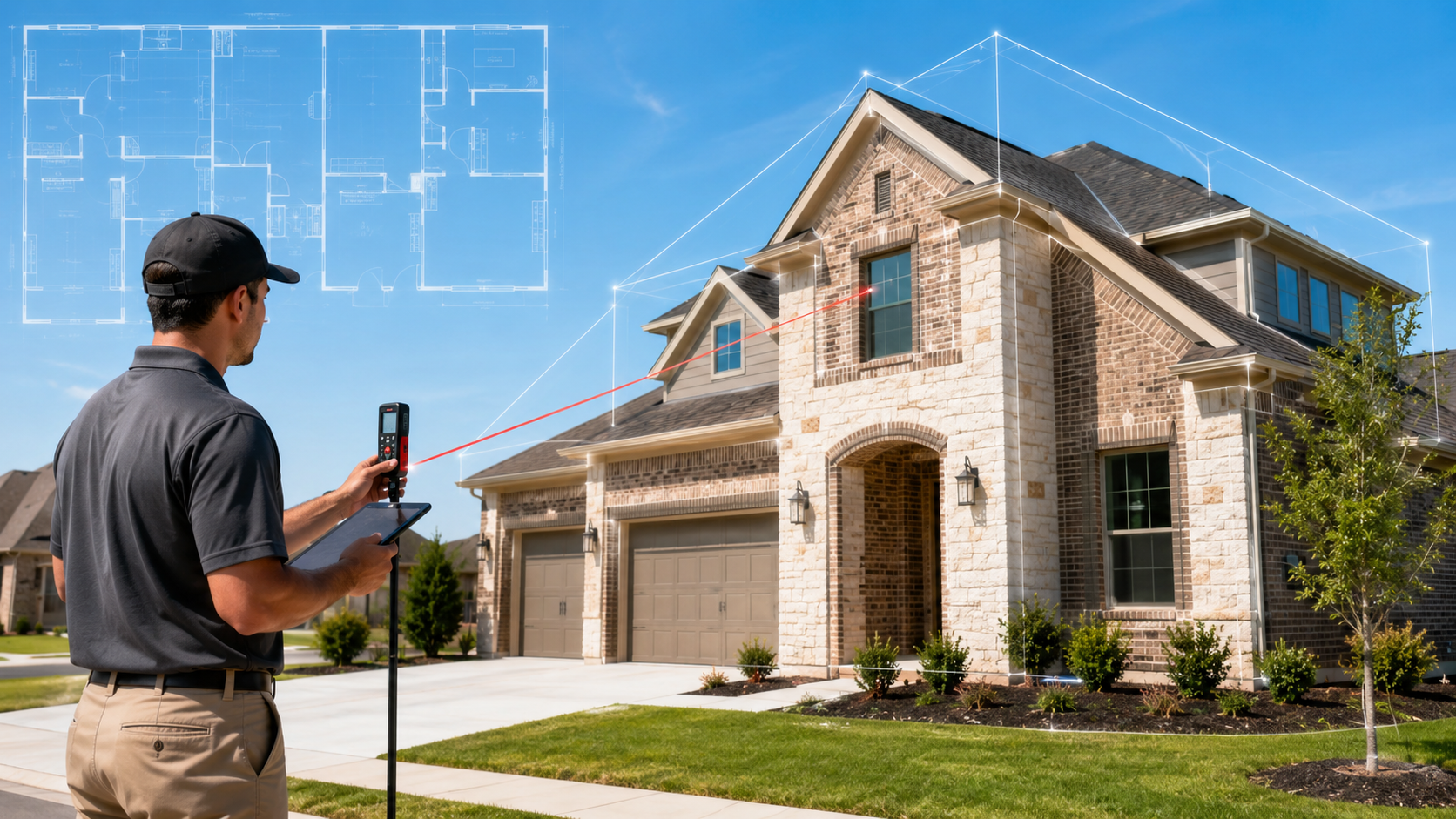
While a square footage calculator for homes can provide a general estimate, professional measurement services offer a higher level of accuracy.
Benefits may include:
- Verified square footage
- Detailed floor plans
- Reliable documentation
- Improved listing accuracy
- Better appraisal preparation
- Increased confidence in property records
Professional measurements can help homeowners avoid costly mistakes and provide dependable property data.
When Should You Verify Your Home’s Square Footage?
Professional measurements may be beneficial when:
- Selling a home
- Refinancing a mortgage
- Appealing property records
- Updating MLS information
- Completing renovations
- Preparing for an appraisal
- Resolving square footage discrepancies
Obtaining accurate measurements early can help prevent future complications.
Choosing the Right Measurement Solution
Homeowners have several options when determining property size.
These include:
- Online calculators
- DIY measurements
- County records
- Professional measurement services
While online tools are useful for estimates, professional measurements provide the most reliable information when accuracy matters.
For homeowners who need verified living area calculations, professional home measurement services can provide detailed reports and dependable documentation.
You can learn more about professional measurement services at https://callrigoservices.com/gla-services/.
Additional industry information is available through https://www.fanniemae.com and https://www.hud.gov.
Why Accuracy Matters When Using a Square Footage Calculator for Homes
When evaluating a property’s size, accuracy is critical. A square footage calculator for homes can provide a useful estimate, but the quality of the result depends on the measurements entered. Homeowners who rely on outdated records or rough estimates may discover differences when selling, refinancing, or preparing for an appraisal. Using a square footage calculator for homes correctly can help identify potential discrepancies before they become a problem.
Real estate professionals often compare properties based on living area, making precise measurements extremely important. While a square footage calculator for homes can simplify calculations, it should be supported by accurate dimensions and a clear understanding of what spaces qualify as living area. This helps ensure consistency when comparing properties in the market.
Many homeowners use a square footage calculator for homes during renovation projects to estimate the impact of additions or modifications. Whether updating a kitchen, finishing an upper level, or expanding living space, accurate calculations help property owners understand how changes may affect the home’s overall size and marketability.
For properties with complex layouts, multiple levels, or irregular room shapes, a square footage calculator for homes may require additional measurements to produce reliable results. Taking the time to measure carefully can reduce errors and provide a more realistic representation of the property’s actual living area.
Although online tools are convenient, many homeowners choose professional measurement services for verification. A professionally prepared report can validate the information generated by a square footage calculator for homes and provide confidence when listing a property, preparing for an appraisal, or resolving square footage discrepancies. Accurate data ultimately supports better real estate decisions and helps homeowners present their property with confidence.
FAQ Section
How do I calculate the square footage of my home?
Measure the length and width of each qualifying area, calculate the square footage of each section, and add the totals together.
Is a square footage calculator always accurate?
The calculator itself is accurate, but the result depends on the quality of the measurements entered.
What rooms count toward square footage?
Living rooms, bedrooms, kitchens, dining rooms, and other finished living areas generally count toward total living space.
Does a garage count toward square footage?
In most cases, garages are measured separately and are not included in Gross Living Area calculations.
Why does my square footage differ from county records?
Differences may occur because of outdated records, renovations, measurement errors, or varying calculation methods.
Should I hire a professional measurement service?
Many homeowners choose professional measurements when preparing for a sale, refinance, appraisal, or property record review.
Final Thoughts
A square footage calculator for homes can be a helpful starting point for understanding property size. However, the quality of the result depends on the accuracy of the measurements used.
Whether you are preparing to sell, refinance, or simply verify your home’s dimensions, understanding how square footage is calculated can help you make more informed real estate decisions. When precision is important, professional measurement services can provide the reliable information homeowners and real estate professionals need.